
Business Insurance · Paphos · Limassol · Nicosia
Business Interruption Insurance in Cyprus
A property policy rebuilds the building. Business interruption replaces the income you could not earn while it was being rebuilt.
Cyprus compels only motor and employers' liability cover. The island's one property-insurance duty, Cap. 224 article 38ΙΒ, stops at fire, lightning and earthquake on a jointly owned building of five or more units. It never reaches your income.
10+
Insurers compared
15+
Years in Cyprus
2451
ICCS licence
The Cyprus insurers we place






DigiCare Insurance arranges business interruption cover for Cyprus businesses: the income you lose when insured damage stops or reduces trading, not the damage itself. Cyprus law treats it as its own class, Class 16 under Law 38(I)/2016, and no statute compels it. The island's only property-insurance duty, Cap. 224 article 38ΙΒ, stops at fire, lightning and earthquake. Premiums are quoted, not published.
Get my business interruption quoteThe basics
What business interruption insurance actually covers
Business interruption insurance covers the money your business does not earn because insured damage stopped it trading. It does not pay for the damage. Your property or fire policy does that. This section replaces the trading result the damage took away, for a period you choose in advance.
I get asked this daily, and usually in the same words: I already have fire cover, so what is this? A property policy rebuilds the building. Business interruption replaces the income you could not earn while it was being rebuilt. Two different losses, two different sums insured, and only one of them is on most Cyprus schedules.
One detail gets missed constantly. Cover responds to interruption or reduction of trading, not only to a total closure. If half your floor space burns and you keep going at 40% of normal turnover, the shortfall is the loss. You do not have to shut the doors to have a claim.
What the section actually pays for:
Your lost gross profit, which in insurance means turnover minus only the purchases that vary directly with it
The costs that carry on while you are shut, such as rent, salaries and standing charges, which sit inside that gross profit figure rather than beside it
Increased cost of working: what you spend to keep trading, such as a temporary unit, hired plant or overtime
The shortfall while you trade at reduced capacity, not only while you are fully closed
You will see the same cover called loss of profits insurance on an older Cyprus schedule, and consequential loss or loss of income insurance in some wordings. Those are three names for one thing.
The trigger sits on your property cover. Commercial property insurance pays for the building, the stock and the machines. This section pays for what those assets were earning. The condition that links them is called the material damage proviso, and the next section explains why it decides everything.
Not sure whether your schedule includes it? Send us the policy number.Legal status
Is business interruption insurance compulsory in Cyprus?
No. Cyprus compels exactly two classes of insurance: motor third-party liability under Law 96(I)/2000, and employers' liability under Law 174(I)/1989, at a minimum of €160,000 per employee. Business interruption is in neither list. No Cyprus statute requires you to insure your income.
| Obligation | Required by Cyprus law? |
|---|---|
| Motor third-party liability | YesCompulsory under Law 96(I)/2000 where the business runs vehicles |
| Employers' liability insurance | YesCompulsory under Law 174(I)/1989, minimum €160,000 per employee |
| Fire, lightning and earthquake on a jointly owned building of five or more units | YesCompulsory on the building's management committee under Cap. 224 article 38ΙΒ(1), and it reaches property damage only |
| Business interruption insurance | NoNot required by any Cyprus statute |
| Insuring the income your business earns | NoNo Cyprus law reaches it, Cap. 224 included |
16
The Cyprus insurance class loss of income sits in, under Law 38(I)/2016
0
Cyprus statutes that compel business interruption cover
24 months
Indemnity period commonly needed for owned premises. Market practice, not law
~73c
What a euro of claim is worth when the sum insured is five years stale. Our own estimate
The near miss is the interesting part. Cap. 224 article 38ΙΒ(1) does compel insurance, and article 38Α's definition of a unit expressly includes an office and a shop, so the duty genuinely binds commercial premises inside a jointly owned building of five or more units. Read the compulsory perils again: fire, lightning and earthquake. Those damage a building. Rebuild the shell, insure nothing you would have earned. Breach is a civil matter between the owners and the management committee, with no fine and no imprisonment attached, and any peril beyond those three becomes compulsory only if owners of more than half the ownership share vote for it.
So what does the law say business interruption is? Its own class. In the First Schedule to Law 38(I)/2016, the statute that authorises every insurer on the island, loss of profits, continuing general expenses, unforeseen trading expenses and loss of rent or income are all listed under Class 16, miscellaneous financial losses. Damage to your building and stock is Class 8, fire and natural forces, and Class 9, other damage to property. The statute even names the combined licence for those two, fire and other damage to property, and does not put Class 16 in it.
Here is the honest reading, and it is the sentence this page exists for: business interruption is a separate class of cover that is usually sold attached to a property policy, and attached is not the same as included. The weld between them is the material damage proviso, a condition saying the interruption section responds only if the property section admits liability for the damage. That is how a fire policy can carry a business interruption heading and still insure none of your income.
One point of geography. This page addresses the Republic of Cyprus. The north operates a separate legal order, so Cap. 224, Law 174(I)/1989, Law 38(I)/2016 and ICCS licensing do not apply there, and nothing here is guidance for it.
And one of vocabulary. The mechanics below, gross profit, indemnity period, the material damage proviso, are London-market wordings the Cyprus market inherited. The legal frame around them is Cyprus's own.
The contrast is worth sitting with. Employers' liability insurance is compulsory at €160,000 per employee, so the law insists you insure the wages of the people who generate your income. It says nothing about the income.
Where the legal statements on this page come from
- Insurance and Reinsurance Services and Other Related Issues Law 38(I)/2016, consolidated text with the First Schedule of insurance classes
- EIOPA Solvency II Single Rulebook, Annex I, classes of non-life insurance
- Immovable Property (Tenure, Registration and Valuation) Law, Cap. 224, Part IIA on jointly owned buildings
- Employers' Liability (Compulsory Insurance) Law 174(I)/1989, published by the Insurance Companies Control Service
Sizing the cover
How to work out your sum insured, and the gross-profit trap
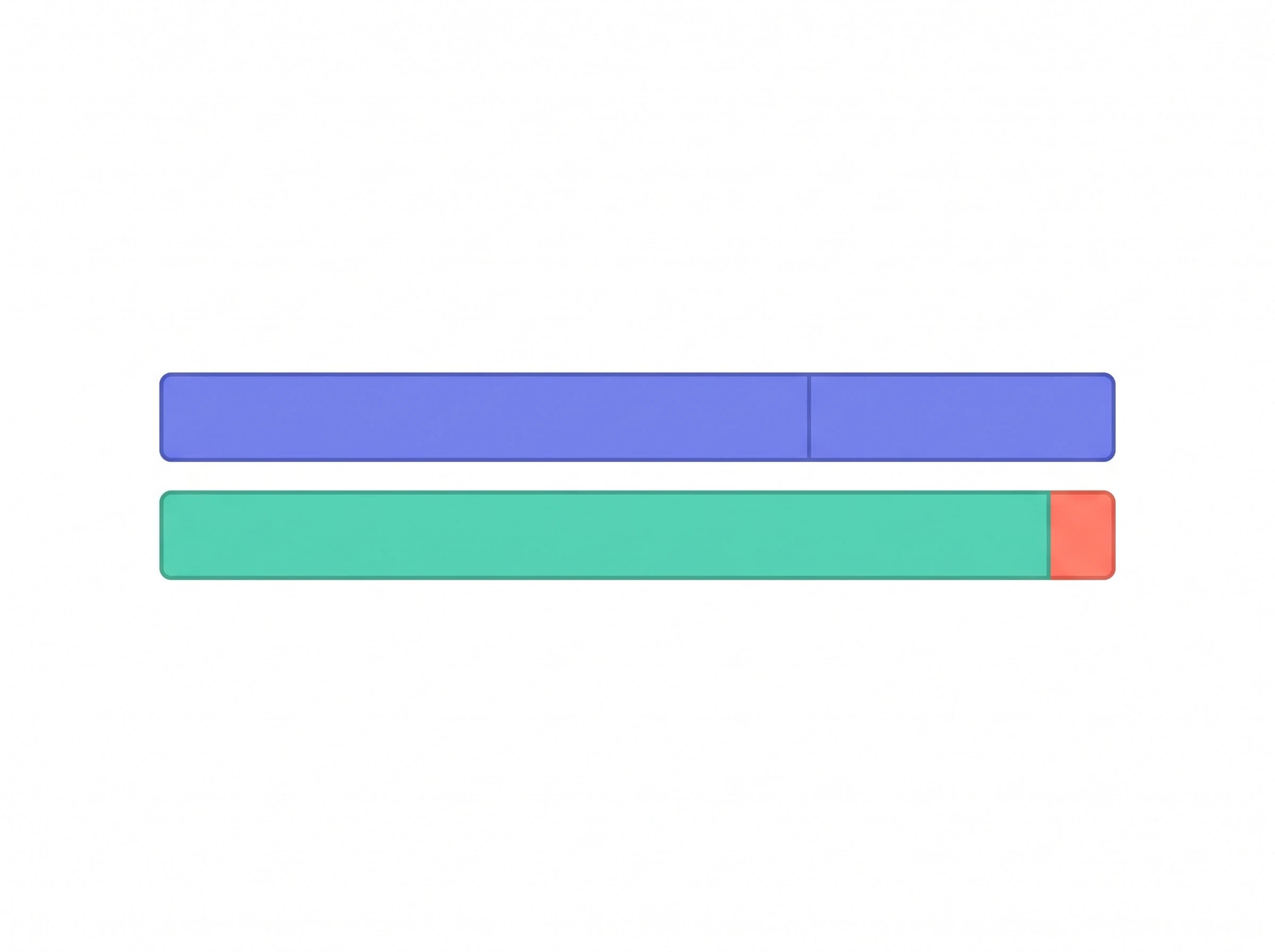
Insurance gross profit is not your accountant's gross profit. On a business interruption policy it means turnover minus only the purchases that vary in direct proportion to it: goods for resale, raw materials, carriage in and out, packaging. Your accountant deducts a wider set of costs than that. Hand over the accountant's figure and you under-declare your cover.
This is the most common cause of underinsurance I see on Cyprus schedules, and it is completely silent until the claim. Rent, most salaries and standing charges do not stop when the shutters come down, so they belong inside the number you insure. The accountant has already taken most of them out.
The statute at least confirms the vocabulary. Class 16 of the 38(I)/2016 First Schedule lists loss of profits and, separately, continuing general expenses as items insurable under the same class. It does not define how to calculate gross profit, because that convention is London-market wording the Cyprus market inherited. What it does show is that continuing expenses are recognised as part of the trading loss a Class 16 policy exists to cover.
Annual turnover
Figure · €500,000
What it means · The twelve months before today
Less specified purchases
Figure · €250,000
What it means · Only the costs that rise and fall directly with turnover
Insurance gross profit
Figure · €250,000
What it means · Rent, salaries and standing charges are already inside this
Sum insured, 12-month indemnity period
Figure · €250,000
What it means · Gross profit multiplied by 12 divided by 12
Sum insured, 24-month indemnity period
Figure · €500,000
What it means · Gross profit multiplied by 24 divided by 12, then trended up for the growth you expect across those two years
Two errors to avoid:
Adding fixed costs on top of gross profit. Rent, utilities and wages are already inside the figure, so adding them again counts them twice and the arithmetic stops holding together.
Stopping before the indemnity period. A sum insured of one year's gross profit, on a policy written with a 24-month maximum indemnity period, is half the cover the policy was built to give.
The calculation you will find online usually stops before the indemnity period, and that is where underinsurance comes from.
Then the condition of average turns the shortfall into money. Insure 60% of what you should have insured and a valid claim settles at roughly 60%. Our own estimate of Cyprus rebuild costs puts a €180,000 figure set in 2019 at around €245,000 today, so a stale property sum insured settles a total loss at roughly 73 cents in the euro. The identical arithmetic applies to a gross profit declaration that has not moved in five years, and almost nobody checks that one.
Rule of thumb: never deduct wages, rent or utilities from turnover when you declare your business interruption sum insured. They are the costs that keep running while you are shut, which is exactly why the policy insures them.
There is a way out of average, and it is a market option rather than a statutory right. On a declaration-linked basis you declare an estimated gross profit, the policy adds an uplift on top, commonly 133%, average is dropped, and the premium is adjusted at expiry against what you actually earned. Ask for it by name, because it is rarely offered unprompted.
The underwriter will want audited accounts or management accounts plus a completed business interruption worksheet. And a boundary worth marking: average, the gross profit basis and the declaration-linked uplift are all market practice in Cyprus, not Cyprus law. Most commercial policies here include a condition of average. No statute prescribes one.
Send us your turnover and your purchases. We will work the sum insured with you.Indemnity period
Choosing your indemnity period: 12 months is usually too short
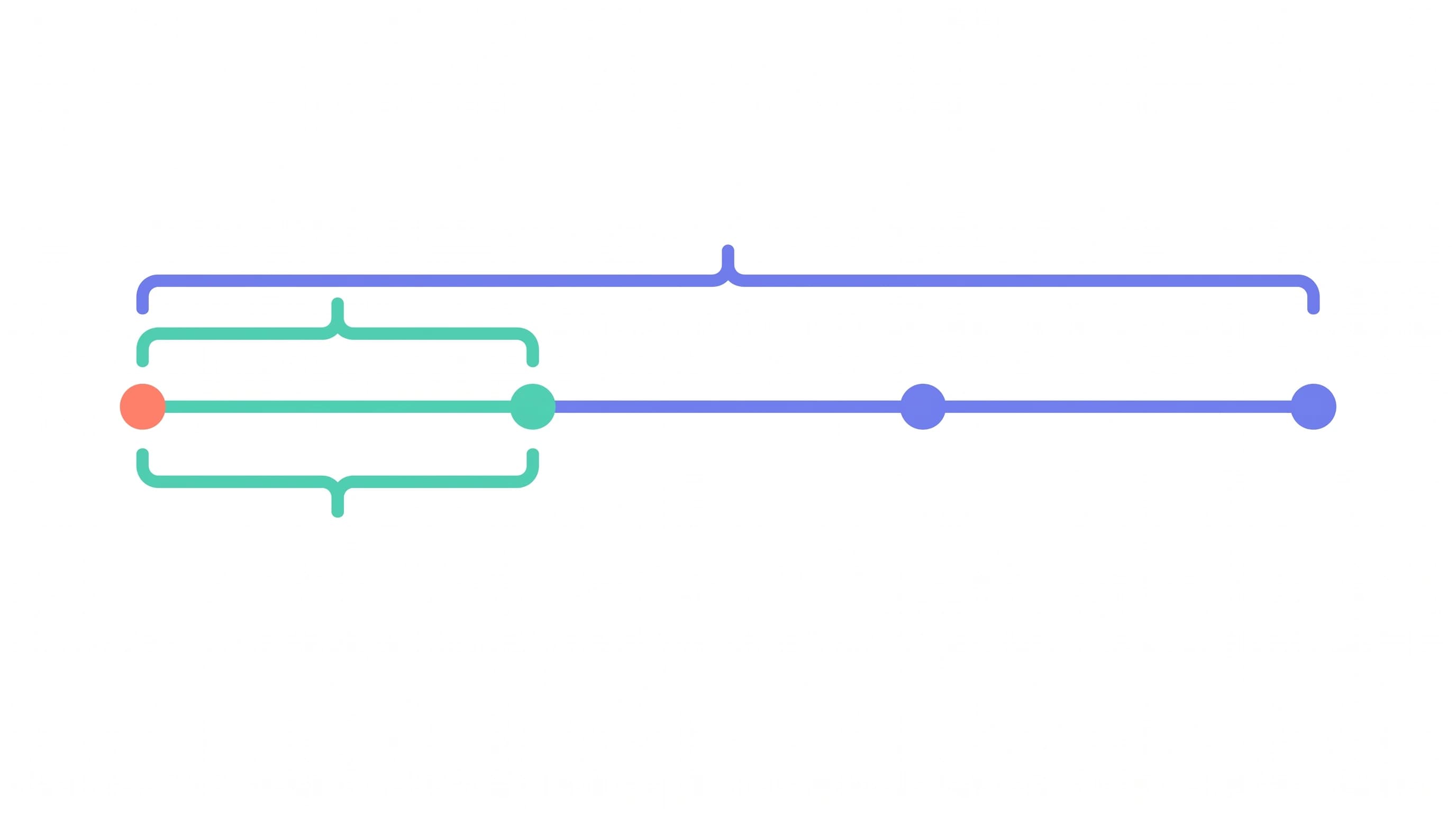
The indemnity period runs from the date of the damage until your trading results stop being affected, up to the maximum you bought. It is not the time it takes to reopen the doors. Reopening is the start of the recovery, not the end of it.
In Cyprus the recovery clock starts long before the builders do. Clearance and demolition, then an adjuster, then the building or planning permit cycle, then procurement, then the build itself, and only after all of that a slow return of customers who went somewhere else in the meantime. Our own estimates put Cyprus construction costs up around 35% between 2020 and 2025, with a rebuild running €1,400 to €3,000 or more per square metre in 2026. Twelve months, the market default, routinely does not cover that.
| Maximum indemnity period | When it fits |
|---|---|
| 12 months | The market default. Defensible for a leased standard retail unit that can be re-fitted quickly |
| 24 monthsMost requested | Common for owned premises in Cyprus once permits are counted. Market practice, not law |
| 36 months | Bespoke plant, a complex or listed building, or a licence that has to be re-obtained before you trade |
One Cyprus SME package publishes a maximum indemnity period of six months on its business interruption benefit. That is one insurer's wording rather than a market standard, and it is half the market default and roughly a quarter of what an owned-premises rebuild can need here. A six-month cap on a twenty-month recovery is not a small difference in price. It is a different product.
Check the excess too, because on this section it is often measured in time rather than money. A 24, 48 or 72-hour time excess decides whether a flash-flood closure is a claim at all. No Cyprus page I have read mentions it, and it is the term that quietly removes most small claims.
One more line worth finding in the wording: whether the sum insured reinstates automatically after a loss, so a second event in the same policy year does not meet an exhausted limit.
Price a 24-month indemnity period against your 12.Cover and extensions
What's core, what's an extension, and what's a thin sub-limit
Run this against your own schedule. Core items are normally in the business interruption section as written. Extensions have to be asked for, are usually sub-limited, and often carry extra premium.
Loss of gross profit
Status · Core
What it does · The insuring clause itself, sized the way the sum insured section sets out
Increased cost of working (ICOW)
Status · Core
What it does · What you spend to keep trading. Economic-limit tested: the spend must not exceed the gross profit it saves
Continuing standing charges
Status · Core
What it does · Rent, salaries, utilities. Inside the gross profit sum insured, not a separate item
Maximum indemnity period
Status · Core, buyer-selected
What it does · 12, 18, 24 or 36 months. It caps everything else in the section
Material damage proviso
Status · Core condition
What it does · The section responds only if the property policy admits liability for the damage
Condition of average
Status · Core, unless written declaration-linked
What it does · Proportionate reduction where the gross profit sum insured is understated
Time excess
Status · Core
What it does · A deductible measured in hours rather than euros
Reinstatement of the sum insured
Status · Core in most wordings
What it does · Restores the limit after a loss
Declaration-linked basis
Status · Alternative basis
What it does · Estimated gross profit plus an uplift, instead of average
Additional increased cost of working (AICOW)
Status · Extension
What it does · Spending above the ICOW economic limit. Separately sub-limited
Book debts
Status · Extension
What it does · Receivables you cannot collect because the records were destroyed
Contingent business interruption (CBI)
Status · Extension
What it does · Damage at a supplier or customer, who usually has to be named in the schedule
Denial of access
Status · Extension
What it does · Damage nearby that blocks access to undamaged premises. The wording is the whole argument
Utilities and public supply failure
Status · Extension
What it does · Failure of power, water or telecoms at the supplier's terminal point
Civil authority
Status · Extension where the wording appears
What it does · Interruption caused by an order of a public authority
Loss of attraction
Status · Extension
What it does · A downturn caused by damage to a nearby draw, in hotel and retail wordings
Notifiable disease
Status · Extension where still offered
What it does · Materially narrowed by markets after 2021. Ask what your own schedule says now
Non-damage business interruption generally
Status · Rarely available retail in Cyprus
What it does · Ask for the wording. Do not assume it is there
Delay in start-up is the construction equivalent: cover for revenue a project does not start earning because the works ran late. It sits on a contractors all risks policy rather than on the policy that insures an operating business, so it is not something that can be added to this schedule.
A cyber event stops a business without touching a brick, and standard business interruption needs physical damage to respond. That exposure belongs on cyber insurance, where the interruption extension is written for it.
If you are the landlord rather than the trader, the equivalent item is loss of rent, and it lives on our landlord insurance page.
Then the honest market note. In the Cyprus SME segment, business interruption often arrives as a thin sub-limit inside a package rather than as a rated gross profit item. One published example caps it at six monthly business loan installments, with a €2,000 monthly limit and a ceiling of 10% of the sum insured. That is a loan subsidy wearing the name. It is not an indemnity for lost earnings, and the difference only shows up at the claim.
Cyprus risk
What actually interrupts a business in Cyprus
When fire swept the Limassol mountains on 23 July 2025, the damage was put at €60 million. It gutted 224 homes, partly burned 308 more, destroyed or damaged around 300 vehicles and killed two people. By early November the interior ministry had approved €4.2 million of payments. Now read the footnote on that €60 million: it expressly excludes compensation to businesses, farmland and farming equipment. The state costed the island's most recent catastrophe and left trading losses out of it.
Wildfire is the number one high-impact risk in the Republic's National Risk Assessment. Earthquake is second. The 2021 Arakapas fire burned around 55 square kilometres in hours and took two days to bring fully under control, forcing ten villages out, so this is not a one-off event to plan around. If your income depends on premises in a risk area, the state is not the plan.

Wildfire
Status · Number one in the National Risk Assessment
The business interruption point · Wide-area damage. Your premises can be untouched and still unreachable, and then the whole claim rests on denial of access
Earthquake
Status · Number two, with new buildings built to Eurocode 8
The business interruption point · The one peril Cap. 224 compels. It buys a rebuilt shell and no income at all
Flash flooding
Status · Recurrent, short and sharp
The business interruption point · Closures of a day or two, which is exactly where a 24, 48 or 72-hour time excess decides whether there is a claim
Power failure
Status · Cyprus runs an isolated grid
The business interruption point · Standard cover needs physical damage. A public supply failure extension moves the trigger to the supplier's terminal point
Drought and water restrictions
Status · Recurrent
The business interruption point · Interruption with no damage anywhere. Restaurants, hotels, laundries and car washes feel it first
Damage to a neighbour
Status · Common in a district event
The business interruption point · Loss of attraction for hotels and retail near a draw that has closed
The wide-area point deserves its own paragraph. When a district burns, plenty of businesses come through with no damage at all and still cannot trade, because nobody can reach them. Their entire claim rests on the denial of access wording, and the radius written into that wording decides it. One Cyprus schedule sets its trigger at damage to neighbouring property within less than one kilometre.
The grid argument is the one nobody in this market makes. Cyprus has no electricity interconnection with any other country and meets all of its demand from inland generation, with the Electricity Authority of Cyprus running three power stations and around 1,460 MW between them. A generation fault therefore has no neighbouring system to draw on. The island has already had a nationwide blackout from a single plant fault, and on 21 July 2026 a fault at the Dhekelia plant cut power in locations across Cyprus.
That is the engineering half. Here is the insurance half. Standard business interruption needs insured physical damage before it responds, and a public supply failure or utilities extension is the clause written to respond without it. Whether any particular outage produces a claim is a question about your own wording, and always was.
Fire remains the classic trigger, and fire insurance for Cyprus businesses covers the damage side of it. This page covers what the fire cost you in trade.
Where the Cyprus risk figures come from
- Cyprus Mail, Limassol wildfires cost €60m, with compensation still lagging, 20 November 2025
- Cyprus Mail, Power cuts across Cyprus due to Dhekelia plant fault, 21 July 2026
- Joint Research Centre, European Commission: the Cyprus power system and market changes
- Cyprus Scientific and Technical Chamber (ETEK), seismic risk and the National Risk Assessment
Cost
What business interruption insurance costs, and what leaving it out costs
There is no list price for business interruption cover in Cyprus, and any page that gives you one is guessing. The premium is a rate applied to the gross profit you insure, over the indemnity period you choose. Two businesses in identical units, on the same fire rating, pay different premiums because their gross profit differs.
Three things set the rate:
The gross profit sum insured. The larger the trading result you are protecting, the more the section costs
The maximum indemnity period. Twenty-four months of exposure is priced differently from twelve
The trade. A restaurant, a packing house and an accountancy office on the same street recover at different speeds
| What moves the premium | Why |
|---|---|
| Gross profit sum insured | The premium is a rate applied to it, so it is the single largest input |
| Maximum indemnity period | Twenty-four months of exposure costs more than twelve, and it is the choice most buyers get wrong |
| Your trade | Recovery time and interruption severity differ by occupation, not only by building |
| The property risk itself | The section sits behind the material damage cover, so the fire and perils rating flows through |
| Extensions selected | Denial of access, utilities failure, book debts and contingent cover are separately rated and sub-limited |
| Declaration-linked or average | A declaration-linked basis carries an uplift and an adjustment at expiry rather than a flat sum insured |
One Cyprus agency does publish a number: around €300 a year for a small shop, rising to several thousand for a hotel chain. That is their published average, from a single source, undated, with no stated sum insured and no stated indemnity period behind it. Treat it as a shape, not a price. It is not our quote and it is not a market rate.
This is also why every Cyprus insurer on the search results asks you to contact them. So compare the things that are actually comparable: the sum insured basis, the maximum indemnity period, and which extensions are on the schedule.
Now the other side of the ledger. Our own estimate of Cyprus rebuild inflation, around 35% between 2020 and 2025, means a sum insured left alone for five years settles a total loss at roughly 73 cents in the euro. And there is the contrast that says most of it: employers' liability is compulsory here at €160,000 per employee, so the law insists you insure the wages of the people who generate your income. It has nothing at all to say about the income.
One small piece of good news: Cyprus does not levy an insurance premium tax, so the quote is the cost.
DigiCare Insurance is a licensed Cyprus insurance agency in Paphos, ICCS licence 2451. We have been placing cover on this island since 2009, we compare 10+ Cyprus insurers on a business interruption enquiry, we hold 5.0 on Google, and we work in English, Greek and Russian.
The compulsory half of your schedule is covered on our employers' liability insurance page. Business interruption sits beside it as the part nobody makes you buy.
Get a business interruption quote. Turnover, purchases and a period is all we need to start.Pandemic closures
Pandemic closures and notifiable disease: where Cyprus stands
Cyprus courts have not decided whether a business interruption policy responds to a government lockdown. One action was filed in January 2021, and no judgment on the coverage question has been published.
The question exists because of how the closures were imposed. The 2020 and 2021 shutdowns arrived as ministerial decrees under the Quarantine Law, Cap. 260. An order, not a fire. So the claims landed on the two clause families least designed to carry them: notifiable disease, which normally needs the disease at or near the insured premises, and denial of access, which normally needs damage nearby.
There is a Cyprus fact pattern. Case No. 17/2021, commenced on 21 January 2021, was brought by a company administering hotels and restaurants against its insurer, pleading exactly those two wordings. We are not naming the insurer, and there is nothing to report about the outcome, because there is no published judgment on the coverage question.

That negative is not a shrug. An exhaustive search of the Cyprus judgment corpus on cylaw, across the Supreme Court, the Court of Appeal, the Administrative Court of Appeal and the first-instance databases, returns no business interruption coverage judgment from the pandemic period. The Chambers and Partners Insurance Litigation 2025 guide for Cyprus still describes the interpretation of these clauses as work ahead rather than work done.
And the case everyone will quote at you is English. Financial Conduct Authority v Arch Insurance [2021] UKSC 1 is a UK Supreme Court decision. Under section 29(1)(c) of the Courts of Justice Law 14/1960, English appellate decisions handed down before 15 August 1960 bind Cyprus courts, while anything later carries great persuasive authority but does not bind. FCA v Arch is from 2021, so it persuades here. It decides nothing here.
Which leaves the question you can answer today. Markets narrowed or removed notifiable-disease wording after 2021, so the live issue is not what a court decided. It is whether your schedule still carries the extension at all. Pull the policy, find the extensions list, and look. If it is not printed there, it is not cover.
Where the case-law position comes from
How it works
How to get business interruption cover in Cyprus
Tell us your trade, your turnover, and the purchases that vary with it. We derive the gross profit figure with you instead of asking you to guess it, compare the business interruption section across the Cyprus insurers we place, and come back with terms and the wording.
Tell us the numbers
Trade, annual turnover, and the purchases that vary directly with turnover. That is everything the gross profit calculation needs.
We compare the market
We put the business interruption section side by side across the Cyprus insurers we place, on the indemnity period you choose and the extensions your risk actually needs.
Read the wording, then decide
You get the quote, the policy wording and an Insurance Product Information Document before you commit, so the extensions list is in front of you rather than behind a phone call.
The form asks seven things, and each one is a rating or coverage question rather than a formality: your trade, your turnover, your specified purchases, the indemnity period you want, whether the premises are owned or leased, whether a property or fire policy is already in force, and whether any single supplier or customer is worth more than about a fifth of your turnover.
There is no same-day certificate on this cover, because the sum insured has to be built from your accounts first. Where the figures are ready, we come back with terms the same working day.
Request your business interruption quote
Seven fields, no phone call needed. We work the gross profit figure with you and price the section across the Cyprus insurers we place.
We are a licensed Cyprus insurance agency in Paphos, ICCS licence 2451, placing cover for businesses in Limassol, Nicosia and across the island, in English, Greek and Russian.
Business interruption is one part of business insurance in Cyprus; commercial property insurance and fire insurance usually sit on the same schedule.
Costas Matheou — Licensed insurance agent, DigiCare Insurance, Paphos, Cyprus
Last reviewed: 28 July 2026
We review this page when Cyprus insurance law changes and when the market moves on indemnity periods or notifiable-disease wordings. The next scheduled review is January 2027, or sooner if a Cyprus court rules on a pandemic business interruption claim.
FAQ
Frequently asked questions
Your building is insured. Is what it earns?
A property policy rebuilds the walls. Business interruption replaces the trading result you lost while they were going up, for a period you choose in advance. Tell us your turnover and the purchases that vary with it, and we will work the sum insured with you and price it across the Cyprus insurers we place.
Licensed Cyprus insurance agency, ICCS licence 2451 | 5.0 Google Reviews