
Commercial Liability · Limassol · Larnaca · Nicosia
Freight Forwarder Liability Insurance in Cyprus
Cover for your own liability to your customers, from a licensed Cyprus insurance agency comparing 10+ insurers. Loss, damage, delay and documentary error, with defence costs.
Freight forwarder liability is class 13 «Γενική αστική ευθύνη» under Law 38(Ι)/2016. It is not compulsory in Cyprus, and it is not the customs guarantee.
10+
Insurers compared
15+
Years in Cyprus
2451
ICCS licence
The Cyprus insurers we place







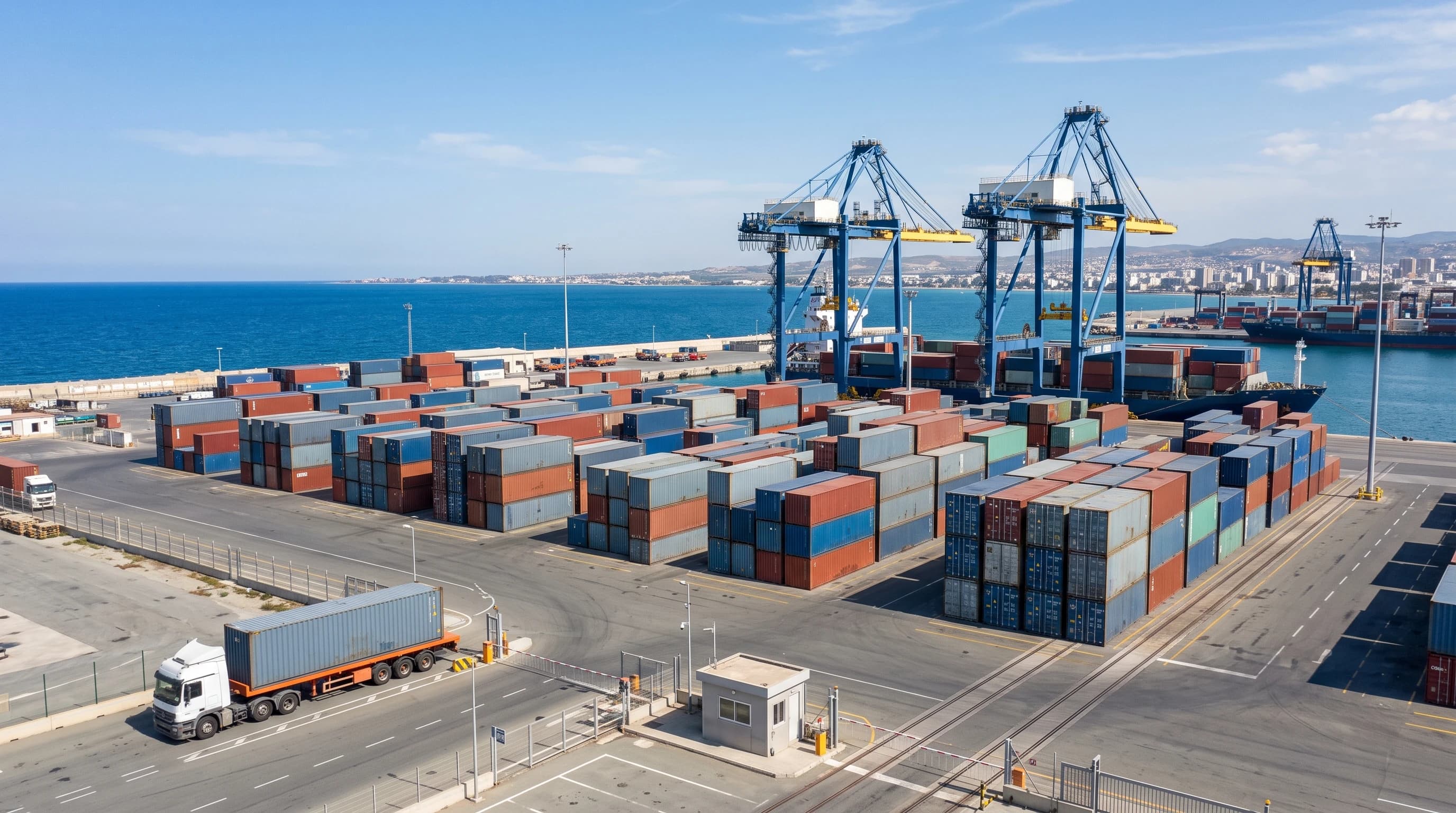
DigiCare Insurance arranges freight forwarder liability insurance in Cyprus: cover for a forwarder's own legal liability to its customers, not cover for the customer's goods. It is class 13 «Γενική αστική ευθύνη» under Law 38(Ι)/2016, it is not compulsory here, and premiums are quoted individually on freight turnover rather than on cargo value.
Ask for a quoteWhat it covers
What does freight forwarder liability insurance cover?
Freight forwarder liability insurance covers what you owe your own customer when a job goes wrong. Three limbs do most of the work: complete or partial loss of the goods, damage to them, and delay in delivery. Delay is normally indemnified as extra costs, on its own sub-limit, separately from loss and damage.
Read it as a defence policy first, because that is how it earns its keep. Most claims a forwarder receives are arguable: custody is disputed, the consignee signed clean, the packing was the shipper's. Fighting that costs money before anyone establishes whether you owe a cent.
Which is why "the limit" is the wrong question to ask a schedule. A forwarder liability schedule is a stack of limits, not one number. Beside the main indemnity sit separate amounts for litigation costs, storage costs while a disputed consignment waits, quantifying the loss, and removing damaged goods. Two quotes can carry the same headline figure and behave differently once you read down the page.
The errors and omissions limb sits in the same policy. That is what responds when nothing was physically damaged and the loss is purely financial: a misdeclaration, a release against the wrong document, a deadline that passed.
Who buys this in Cyprus
Sea and air forwarders consolidating groupage through Limassol and Larnaca
Pharma and temperature-controlled specialists on Cyprus re-export routes
3PL contractors running pick, pack and dispatch for retail clients
Customs clearing agents filing entries on other people's goods
Project and heavy-lift forwarders moving plant and oversized units
Fine art and high-value shippers where the cap lands nowhere near the loss
Bonded and customs warehouse operators holding duty-suspended stock
Road hauliers and NVOCCs subcontracting international legs to other carriers
The distinction that costs money
Freight forwarder liability vs cargo insurance: who does each one protect?
These two get confused every week, and the confusion is expensive in both directions. A forwarder buys liability cover and thinks the customer's goods are insured. A trader hears the forwarder is insured and skips cargo cover. Both are wrong.
Freight forwarder liability insurance
Who is insured · The forwarder, so you
What triggers it · Proved legal liability: negligence or a documentary error, goods in your custody, or a bill of lading, air waybill or FBL issued in your name
What it pays · Your liability, up to a convention or contractual cap, and only to the sub-limits in your schedule
Marine cargo insurance
Who is insured · The goods owner, so your customer
What triggers it · The loss or the damage itself, whoever was at fault, or nobody
What it pays · The declared sum insured on that consignment
Your forwarder's liability cover protects the forwarder. It is not insurance on your goods.
Your customer buying marine cargo insurance does not reduce your exposure. It changes who sends you the letter.
So the two are not rivals, they are a sequence, and here is the part nobody publishes. When a trader's cargo insurer pays a claim, it takes over the trader's rights and comes looking for whoever caused the loss. That is usually the forwarder. A forwarder liability policy is frequently what defends you against a cargo insurer's recovery claim.
Where the complaint is about advice or a service failure with no goods lost, professional indemnity and the errors and omissions limb of this policy overlap, and the wording decides which one responds.
One word to sort out, because it means two things in this trade. A customs broker and a freight broker are trade roles, and plenty of our clients are one or both. DigiCare Insurance is something else: a licensed Cyprus insurance agency, ICCS licence 2451, which compares the market and places your cover with the insurer that will write it.
 Check which side of the table you're on
The Cyprus caps
What is a freight forwarder's legal liability in Cyprus?
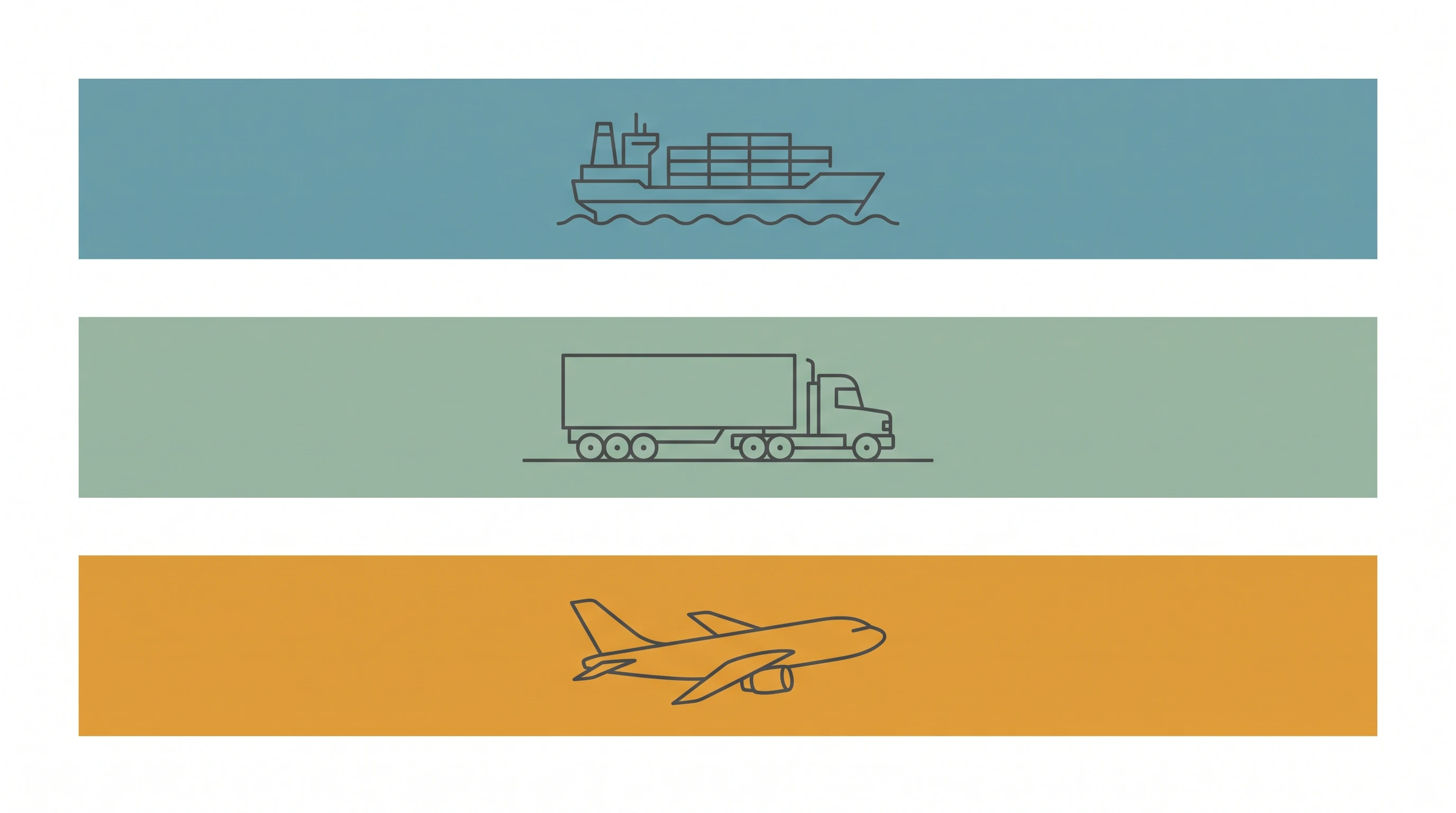
I get asked this most weeks, and the answers circulating online are wrong for Cyprus. A carrier's liability here is capped by weight and by package, not by what the goods are worth. Three instruments do the capping, one per mode.
Sea
Instrument binding on Cyprus · Carriage of Goods by Sea Law, Cap. 263, applying the unamended Hague Rules of 1924
The cap · 100 pounds per package or unit
Scope · Bites on carriage out of and within Cyprus
Road
Instrument binding on Cyprus · CMR Convention with its 1978 SDR Protocol, Cyprus acceded to both on 2 July 2003
The cap · 8.33 SDR per kilogram of gross weight short
Scope · International road carriage under a CMR consignment note
Air
Instrument binding on Cyprus · Montreal Convention, Article 22 as revised
The cap · 26 SDR per kilogram, from 28 December 2024
Scope · Carriage by air, raised from the previous 22 SDR
The figures most guidance quotes are the wrong ones for Cyprus
Cyprus never adopted the Visby Protocol. Guidance written for the UK, the EU mainland or Asia quotes 666.67 SDR per package and 2 SDR per kilogram, and those are Hague-Visby figures. They are not the Cyprus statutory limits. It is an honest mistake, made by writing about one market and publishing in every market.
There is one escape from the sea cap, and it is worth knowing before the container is loaded. The limit lifts only where the nature and value of the goods are declared on the bill of lading before shipment. After the fact is too late, and a value on the commercial invoice is not a value on the bill.
Two scope points keep everyone honest. First, Cap. 263 bites on carriage out of and within Cyprus. On inbound cargo the bill of lading's paramount clause decides which regime applies, and many carriers contract on Hague-Visby, so read the bill rather than assuming the Cyprus figure.
Second, we do not publish a euro equivalent of the 100 pounds. The Rules say one hundred pounds or the equivalent in other currency, and the 1924 gold clause makes any modern conversion contestable. The commercial point survives either way: the cap tracks packages and kilos, not value, so on light, valuable goods it lands nowhere near the loss.
That is what your customer can recover from the carrier. Everything above it is a conversation about your contract, and that conversation is what this cover is for.
Sources for the figures in this section
- Carriage of Goods by Sea Law, Cap. 263, consolidated text (CyLaw)
- Law 38(Ι)/2016, First Schedule, classes 10 to 13 and 15 (CyLaw)
- CMR Convention status list, showing Cyprus's accession of 2 July 2003 (United Nations Treaty Collection)
- 2024 revised limits of liability under the Montreal Convention 1999 (ICAO)
The statutory spine
Agent or principal? Cyprus law sorts your liability by the role you took
Cyprus does not sort a forwarder's exposure by what the goods were. It sorts it by the role you took, and the statute says so.
Look at the First Schedule to Law 38(Ι)/2016, Part A. Classes 10 (land vehicles), 11 (aircraft) and 12 (vessels) each end with the words «συμπεριλαμβανομένης της ευθύνης του μεταφορέως», including the liability of the carrier. Nothing else in the list carries those words. Class 13 «Γενική αστική ευθύνη» is then defined residually, as any liability other than those in numbers 10, 11 and 12.
Read together, that is a role test. Contract as the carrier and you sit in 10, 11 or 12 with the carrier's own liability. Arrange, document, store or declare, which is most of what a forwarder does most days, and you sit in class 13.
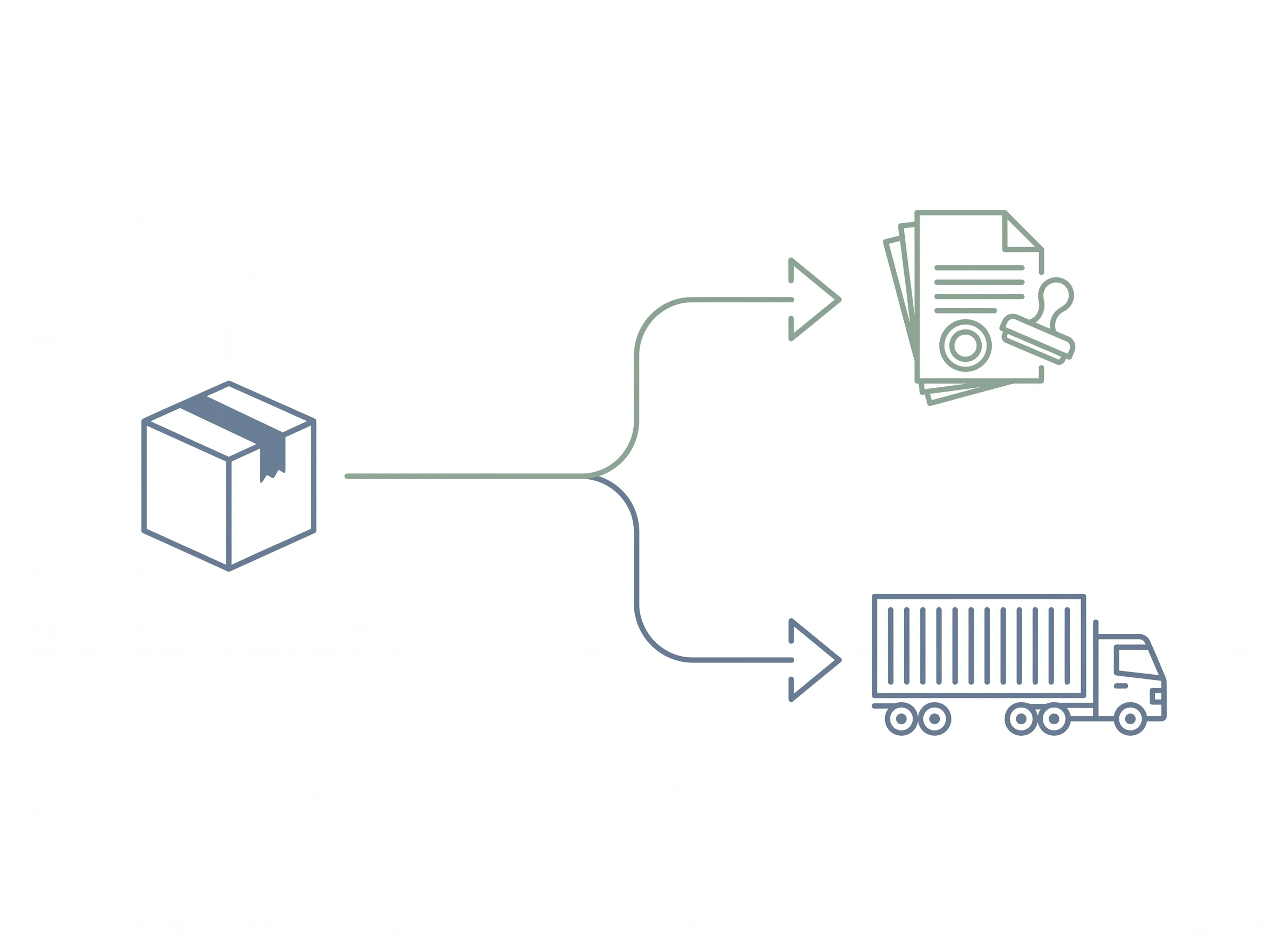
In trade terms the switch is simpler than the statute sounds. Issuing an FBL, an ocean bill of lading or an air waybill in your own name makes you the contracting carrier, whether or not you own a single vehicle. That is what an NVOCC, a non-vessel-operating common carrier, is. Nothing about your fleet changes; your liability does.
Where you sit today
Booked in your customer's name on the carrier's paper: you answer for how you chose and instructed the carrier.
Booked under your own bill of lading, air waybill or FBL: you answer as the contracting carrier, on the carrier's cap.
Subcontracted to a successive forwarder or haulier: you still answer to your own customer for the whole job.
Cleared, stored or declared by you: that is class 13, whoever physically moved the goods.
Class 13 is not a separate purchase you have to bolt on. It sits in the Part B combined-licence group (στ) alongside 10, 11 and 12, and Part B governs which classes an insurer may write, not how a policy is packaged.
Operators running their own vehicles usually carry the class 10 limb on fleet insurance instead, written as a separate policy alongside this one.
Tell us which documents you issueThe three exposures
Where the caps run out: warehousing, errors and omissions, contracting as principal
Three exposures sit above the convention caps. I have ordered them by how badly they surprise people.

Warehousing, where no convention reaches
Every cap a forwarder relies on comes from a transport convention, and every transport convention is about transport. Once the goods are standing in your warehouse, there is no convention limit, only whatever your contract says, and whatever a court makes of it. That holds for bonded stock, customs-warehoused stock and ordinary 3PL stock alike, and it is why a warehouse-holding forwarder needs a limit set on stock values rather than on freight rates.
The building, the racking and the forklifts are a separate matter: insuring the warehouse building itself is a property policy, and if a fire in your shed also stops your operation, business interruption cover replaces the income.
Errors and omissions, where the weight cap still bites
The pure-financial-loss limb, where nothing was physically damaged and the money is gone anyway: a misdeclaration on an entry, a release to the wrong consignee, a customs deadline missed by a day. Two features of the recommended Cyprus trading conditions make this vivid, where the conditions are validly incorporated into the contract. First, the cap stays weight-based even here. These conditions cap the forwarder's liability at the lower of the goods' value or a fixed rate per tonne of their gross weight, and the same weight-based cap applies even where nothing was physically damaged. A documentary error on a light, high-value consignment is capped by what the consignment weighs. Second, liability to the Principal is capped at the amount of the fees or commission payable. A 300 euro commission can sit opposite a six-figure claim.
That cuts both ways, which is why it matters. Where the conditions are validly incorporated, they cap what you owe. Where the incorporation fails, they cap nothing, and you are exposed on the full loss.
Contracting as principal
This is where contingent cargo liability earns its name. Once you issue your own document, your exposure can run beyond or outside the capped liability entirely, and that cover is written for the gap.
Visitors and third parties on your premises are a different line, and that is public liability, not this policy.
Price the warehouse exposureWhose policy pays
Which policy pays? A forwarder's exposure inventory
Most calls I take on this product start with the same sentence: I thought that was covered. Usually something is, just not the policy the caller had in mind. Here is the inventory, mapped to whose policy answers and which Cyprus class it sits in.
Arranging carriage as agent
Whose policy responds · Yours, forwarder liability
Cyprus class · 13
Where it sits · This page
Issuing an FBL, bill of lading or air waybill in your own name
Whose policy responds · Yours, contingent cargo liability
Cyprus class · 13, plus 10, 11 or 12 as carrier
Where it sits · This page
Goods stored in your warehouse or bonded facility
Whose policy responds · Yours, warehouse legal liability
Cyprus class · 13
Where it sits · This page
Documentary error, misdeclaration, wrong-consignee release
Whose policy responds · Yours, errors and omissions
Cyprus class · 13
Where it sits · This page
Your own trucks carrying goods under CMR
Whose policy responds · Yours, but a carrier policy
Cyprus class · 10
Where it sits · Fleet insurance, often written separately
The value of the goods themselves
Whose policy responds · Your customer's, marine cargo
Cyprus class · 7
Where it sits · Marine cargo insurance
The warehouse building, racking and forklifts
Whose policy responds · Yours, but a property policy
Cyprus class · 8 and 9
Where it sits · Commercial property insurance
The customs duty on goods under your authorisation
Whose policy responds · Nobody's insurance, a guarantee
Cyprus class · 15
Where it sits · The next section
Three extensions are worth asking about by name, with the limits attached. Customs penalties from your own error are commonly written and just as commonly sub-limited. Delay is heavily restricted wherever you buy it. Fines and criminal penalties on the business itself are treated as uninsurable, and the most a policy does is fund the defence.
Fines and penalties are frequently excluded or restricted, so never assume they are in. Ask for the sub-limit in writing and read what triggers it.
Stock throughput programmes, project-cargo and heavy-lift covers all belong to the goods owner, not to you. When a customer asks you to arrange them, you are acting as its agent in placing cargo cover, which is a different transaction from insuring your own liability.
The last row does not resolve into a policy at all, and it is better to say so. A customs guarantee is a separate instrument, arranged with a bank or a provider authorised for class 15 «Εγγυήσεις», and it secures the duty rather than your liability to your customer. Tell us which obligations you are trying to cover and we will say plainly which ones a liability policy reaches.
Map your own exposures with an adviserTrading conditions
Standard trading conditions: what they cap, and how fast you have to act
Start with what trading conditions are not. They cap liability; they are not insurance. Nothing in them pays anybody. They set the ceiling on what a claimant can extract from you, and the policy pays up to that ceiling.
Cyprus does have a recommended set of standard trading conditions published for the Cyprus market, subject to Cyprus law. These conditions cap the forwarder's liability at the lower of the goods' value or a fixed rate per tonne of their gross weight, and the same weight-based cap applies even where nothing was physically damaged.
Every amount in the model form is left blank for the parties to fill in. There is no single Cyprus forwarder liability cap figure, and anyone quoting you one has invented it.
Which cap you face is a contract question, not only a statute question. Cyprus's own carriage-by-sea statute applies the 1924 Hague Rules. The standard trading conditions circulating in the Cyprus market fall back, where the parties leave the figure blank, to the Hague-Visby limits, a regime Cyprus never adopted. Which cap a forwarder actually faces depends on its contract, not only on Cyprus law.
The claim clock is the part to act on today
3 days
Notice of a claim, counted from the end of transit
7 days
A claim in writing, with the details
28 and 42 days
The alternative pair of windows, where those apply instead
One year
Suit barred after one year, whichever is the earlier
Both windows carry the escape that notice be given as soon as reasonably possible where notice inside the window was not reasonably possible. Real, but not a substitute for a diary entry.
The FIATA model rules, for contrast
Many forwarders contract on the FIATA model rules instead. Those cap liability at 2 SDR per kilogram, cap delay at the remuneration for the job, and bar claims after nine months. Rule 3 is the one to read twice: no insurance will be effected by the Freight Forwarder, except upon express instructions given in writing by the Customer. If a customer assumed you insured the goods, that is the sentence you will be quoting.
Rule 20 keeps the rest honest: these caps yield to mandatory law. A contractual ceiling cannot undercut a limit that a convention or a national statute imposes, which is why the caps in the section above still matter whatever your conditions say.
Sources for this section
Legal status
Is freight forwarder liability insurance compulsory in Cyprus?
No. Cyprus imposes no duty on a freight forwarder to hold liability insurance.
Cyprus does not require a freight forwarder to carry liability insurance. What Customs requires is a guarantee, a cash deposit or a guarantor's undertaking securing the duty. A guarantee pays the state the tax owed on the goods. It does not pay your customer for goods you lost.
Liability insurance for a freight forwarder
Insurance required? · No. Cyprus imposes no duty to insure.
What it actually secures · Nothing. It is a commercial decision
A guarantee for a customs warehouse authorisation
Insurance required? · Yes. Mandatory under the Union Customs Code, in the amount set by the Director of Customs and Excise.
What it actually secures · The duty owed to the state on the goods
Financial standing for a road transport operator
Insurance required? · Yes. Capital and reserves of 9,000 euro for the first vehicle over 3.5 tonnes and 5,000 euro for each additional one.
What it actually secures · Your solvency as an operator, not any consignment
An insurance certificate as proof of financial standing
Insurance required? · No. The Regulation permits a competent authority to accept one in place of audited accounts.
What it actually secures · The same solvency test, evidenced differently
The negative is stronger than it looks. The whole Union Customs Code contains two occurrences of the word stem "insur", and neither is a duty to insure. Authorised Economic Operator status turns on five criteria in Article 39: one is financial solvency, none is insurance.
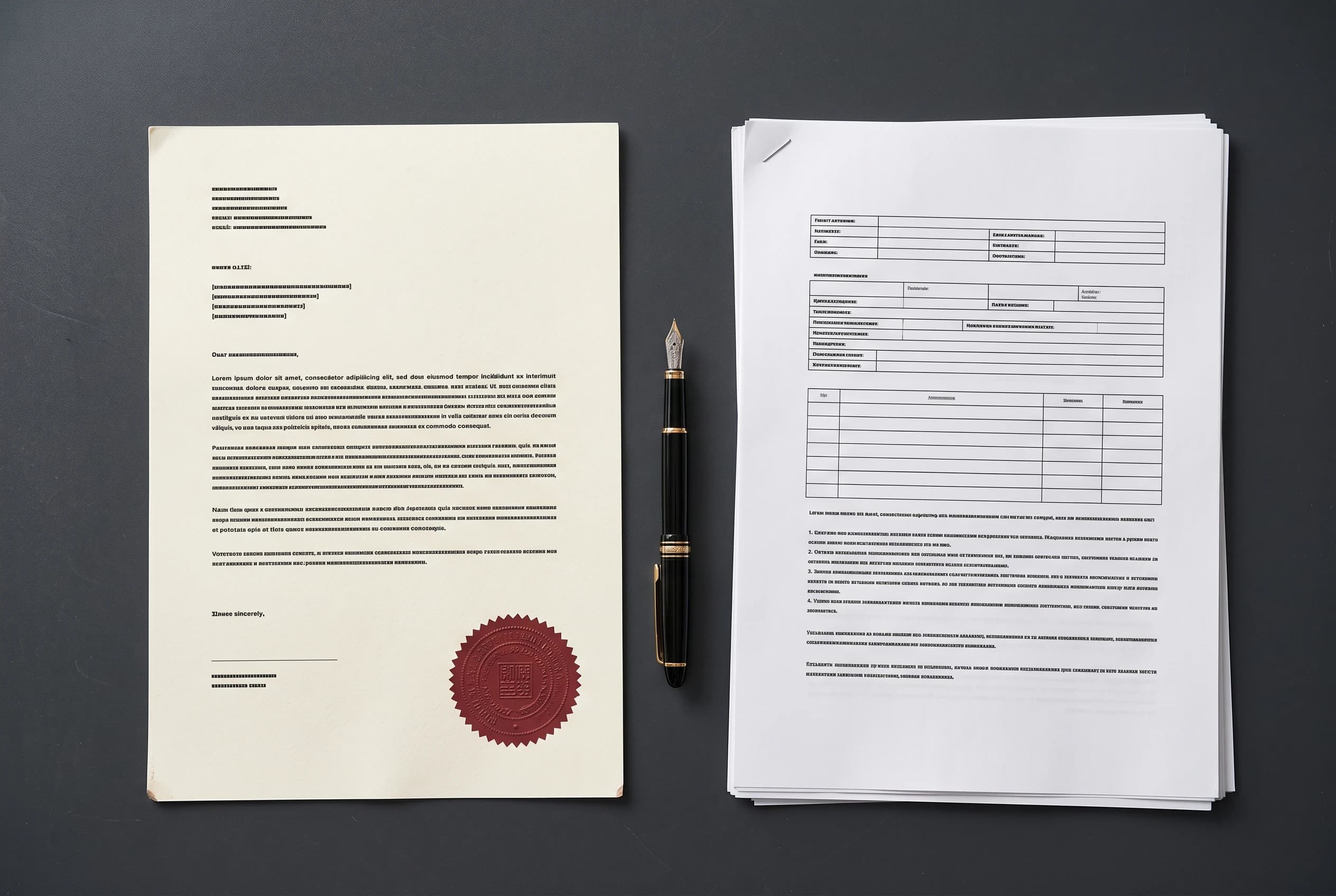
Now the trap, and it is a fair mistake to make. The Union Customs Code lets an insurance company act as the guarantor. So a forwarder can hold a customs bond issued by an insurer, on insurer letterhead, and reasonably believe it holds insurance. It does not. That instrument is suretyship, class 15 «Εγγυήσεις», a different authorised class from class 13 «Γενική αστική ευθύνη», and it pays the state, not your customer.
The road-haulage limb works the same way
A Cyprus road haulier must show financial standing, 9,000 euro of capital and reserves for the first vehicle over 3.5 tonnes and 5,000 euro for each additional one. The rules let a competent authority accept a bank guarantee or an insurance certificate instead of audited accounts as proof of those amounts.
That is a solvency test, not cargo cover: it is measured in thousands, and it pays nobody for a lost consignment. It is also not a duty to insure. The Regulation permits a competent authority to accept an insurance certificate as evidence, which is a very different thing from requiring a policy.
Sources for this section
- Union Customs Code, Regulation (EU) No 952/2013, consolidated text (EUR-Lex)
- Regulation (EC) No 1071/2009 on access to the occupation of road transport operator, consolidated text (EUR-Lex)
- Customs warehouse operation, guarantee in the amount specified by the Director (Business in Cyprus, gov.cy)
- Law 38(Ι)/2016, First Schedule, class 13 «Γενική αστική ευθύνη» and class 15 «Εγγυήσεις» (CyLaw)
Cost and cover
What does it cost in Cyprus, and how do you arrange cover?
Freight forwarder liability is an annual liability policy. It is rated on your freight turnover, meaning your gross freight receipts, on the scope of what you actually do, and on the limit of indemnity you choose. No consignment value enters that calculation, which is what makes the next paragraph necessary.
Premiums for this cover are not published in Cyprus, and they are quoted individually. That is a fact about this market rather than an evasion: there is no cargo value for a percentage to be a percentage of, so any published rate would be describing a different product.
The one figure the cost pages do publish is the wrong figure
You will find pages putting this cover at 0.3% to 0.5% of cargo value. That is a marine cargo rate: it prices your customer's policy against a declared sum insured on one shipment. It cannot price your annual liability cover, which has no cargo value to be a percentage of. The proof is internal to the page publishing it, which quotes flat annual premiums a few headings later.
What moves the number
Annual gross freight receipts, your freight turnover
Which modes you operate, and whether any of them is air
Whether you ever contract as principal or issue an FBL
Warehouse throughput and the stock values you hold at peak
Which trading conditions you actually incorporate
Your territorial scope, and how far outside the EU it reaches
The limit of indemnity and the sub-limits under it
Your claims history, including claims defended and dropped
How arranging the cover works
Send us what you handle and we will come back with options from across 10+ insurers, with the sub-limits, the territorial scope and the exclusions set out so you can compare two quotes properly.
Tell us what you handle
Modes, whether you issue your own documents, what you store and roughly what you turn over. A copy of your trading conditions helps.
We compare 10+ insurers
Your risk goes to the Cyprus insurers writing class 13 liability, and the quotes come back side by side.
We explain the wording
You get the sub-limits and the exclusions in plain terms, not a premium and a signature block.
Cover is bound and documented
We bind it, issue the documents, and tell you what your customers will ask you to prove.
The form below asks the questions an underwriter asks first. None of them commits you to anything, and the more accurate the turnover and the warehouse figures, the closer the first quote lands.
Request a forwarder liability quote
Tell us what you handle and we will come back the same working day with what the insurers need to quote.

DigiCare Insurance is a licensed Cyprus insurance agency, ICCS licence 2451, established in 2009 and with over 15 years in the Cyprus market. We compare 10+ insurers, we are rated 5.0 on Google, and we work in English, Greek and Russian.
If you are pricing a wider programme, start at business insurance in Cyprus. If your customers are asking you to arrange cover on the goods themselves, that is marine cargo insurance. General questions are answered in our insurance FAQ.
Costas Matheou — Co-founder and licensed insurance agent, DigiCare Insurance, Paphos, Cyprus
Last reviewed: 29 July 2026
Licensed Cyprus insurance agency, ICCS licence 2451
We review this page when the carriage conventions are uprated, when the Cyprus insurance classes change, or when the market wording moves. The Montreal cargo limit last changed on 28 December 2024.
Questions we get asked
Freight forwarder liability insurance: frequently asked questions
Not sure which of your roles is actually insured?
Tell us what you move, what you store and whose name is on the document. We compare 10+ insurers and come back with the wording, not just a price.
15+ years in Cyprus · 5.0 on Google · English, Greek and Russian