
COMMERCIAL & GROUND-MOUNT SOLAR · CYPRUS
Photovoltaic Insurance in Cyprus
DigiCare Insurance is a licensed Cyprus insurance agency, ICCS licence 2451. We place photovoltaic cover for commercial rooftops, ground-mount solar parks, carport arrays, battery-paired sites and the installation phase, across 10+ insurers.
No Cyprus law requires it
Clause 14 of the EAC net-metering agreement sets no limit on what you owe for damage your installation causes to the grid, to another consumer or to anyone else. That liability keeps running after the contract ends.
10+
Insurers compared
15+
Years in Cyprus
2451
ICCS licence
The Cyprus insurers we place







DigiCare Insurance places photovoltaic insurance in Cyprus, and no Cyprus law requires you to buy it. But clause 14 of the EAC net-metering agreement makes you liable, with no monetary cap, for damage your installation causes to the grid, to another consumer or to anyone else, and that liability outlives the contract. Photovoltaic insurance is where you set that limit yourself.
Get a photovoltaic quoteIs it compulsory
Is photovoltaic insurance compulsory in Cyprus?
No. No Cyprus law requires you to insure a photovoltaic system. The two statutes that govern this market are the Regulation of the Electricity Market Law 130(I)/2021 and the Renewable Energy Sources Law 107(I)/2022, and neither puts an insurance duty on a generator or a self-producer. We field that question most weeks, and the honest answer is the short one.
Check the law number before you trust a page about this. Cyprus pages still cite the Regulation of the Electricity Market Law 122(I)/2003 and the Renewable Energy Sources Law 112(I)/2013. Both were repealed, by 130(I)/2021 and 107(I)/2022. Advice built on a repealed statute is usually old in other ways too.
Now the part almost nobody publishes. The standard EAC net-metering agreement contains no insurance clause at all. No required limit, no additional-insured wording, no certificate to file. That reads like good news for about ten seconds.
Clause 14.0 of that same agreement, headed «Αποζημιώσεις», makes you liable for damage your installations and machinery cause to the Transmission or Distribution System, to another consumer, or to others, and you carry the cost of putting each incident right. Clause 14.3 makes you answerable for your own contractor or consultant. Clause 14.4 puts the duty to protect and safely operate your equipment on you. No monetary limit appears anywhere in the clause, and every part of clause 14 keeps applying after the contract ends.
So nothing requires you to buy cover, and nothing caps what you can owe. That is the whole case for this product. You are the only person who can set that limit, and you set it by electing a third-party liability limit on a policy.
The binding technical terms for your installation are not in that agreement at all. They sit in the DSO's Connection and Operation Offer and the Technical Guide attached to it, and breaching those can end your offset. They are issued per applicant and per scheme, so read the offer you were sent rather than a generic answer, including anything it says about cover.
Compulsory, or just contractual?
Insure the photovoltaic system itself
Where it comes from · None
Who it binds · No one
Status · No. Not required by any Cyprus law
Hold third-party liability cover as the system owner
Where it comes from · None
Who it binds · No one
Status · No. Not required, and clause 14 leaves the exposure uncapped
Indemnify damage to the grid, to a consumer or to others
Where it comes from · EAC net-metering agreement, clause 14.1
Who it binds · The system owner
Status · Yes. Binding under contract, with no monetary cap
Answer for the acts of your own contractor or consultant
Where it comes from · EAC net-metering agreement, clause 14.3
Who it binds · The system owner
Status · Yes. Binding under contract
Meet the DSO connection and operation terms
Where it comes from · Connection and Operation Offer
Who it binds · The system owner
Status · Yes. Binding under contract, and breach can end the offset
Hold a generation licence or an exemption
Where it comes from · Law 130(I)/2021
Who it binds · The generator
Status · Yes. Mandatory where it applies, through CERA
Insure the installing crew against injury at work
Where it comes from · Law 174(I)/1989
Who it binds · The installer, not you
Status · Yes. Mandatory under Cyprus law
There is exactly one insurance Cyprus law compels anywhere near a solar job, and it is not cover for the panels. Law 174(I)/1989 requires the installing contractor to hold employers' liability insurance for its crew. That duty belongs to the installer. Ask to see the certificate before anyone climbs onto your roof.
Primary sources for the legal and market statements on this page
- EAC Net Metering Scheme: the published agreement templates and connection procedure
- Regulation of the Electricity Market Law 130(I)/2021, consolidated Greek text (cylaw.org)
- Renewable Energy Sources Law 107(I)/2022, consolidated Greek text (cylaw.org)
- Employers' Liability (Compulsory Insurance) Law 174(I)/1989, consolidated Greek text (cylaw.org)
Household or commercial
Household roof array or commercial plant: which policy is yours?
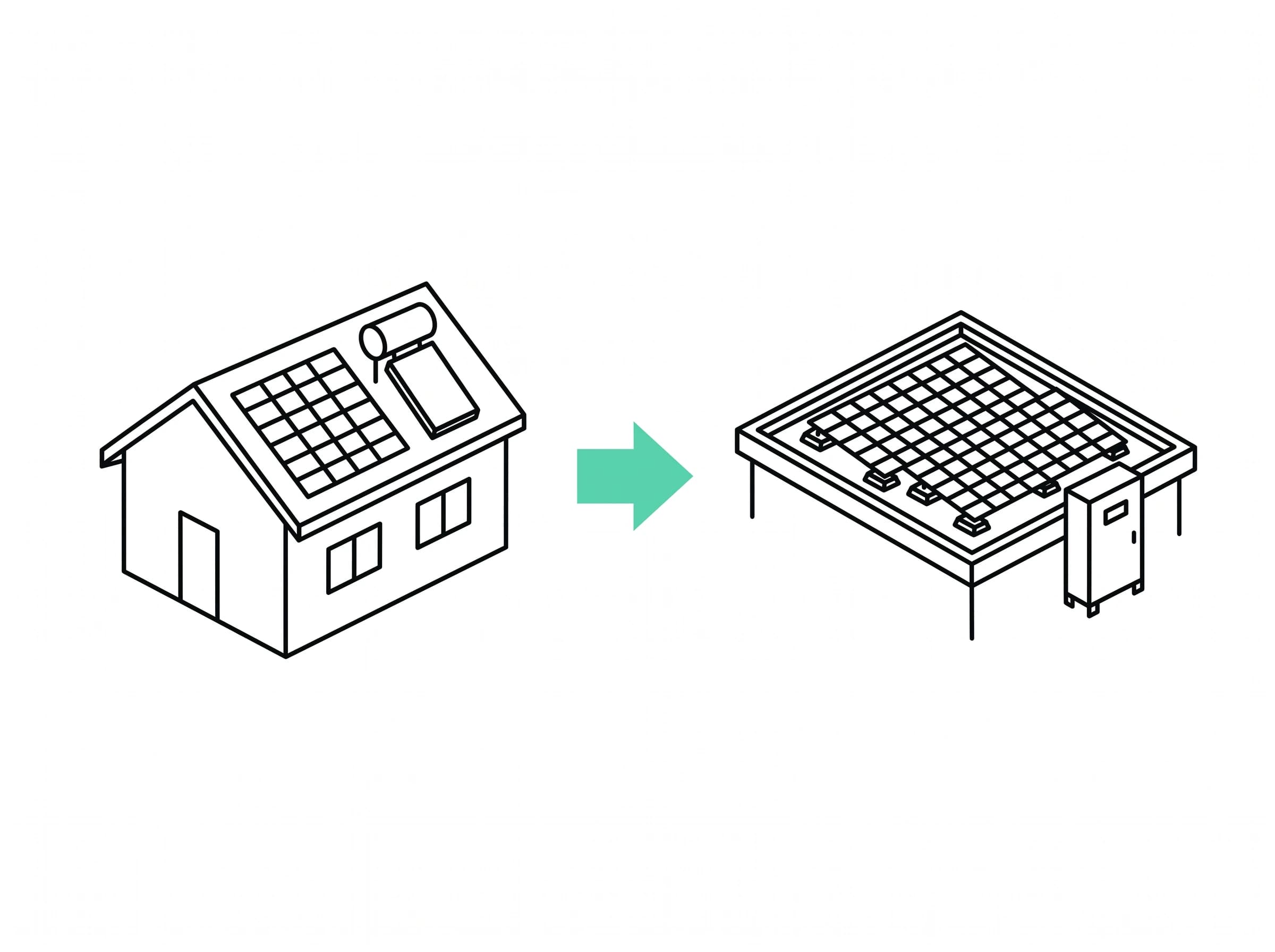
Two very different buyers land on this page. If the array sits on the roof of the house you live in, you do not need a commercial policy. You need your home insurance to know the panels are there. If the array is on a warehouse, a factory, a carport or a field, this page is the right one.
In my experience the household call takes two minutes and the commercial one takes a week, because the commercial owner has to decide a liability limit that nobody else will decide for them.
A household rooftop belongs on a home policy
- Declare the panels. Our own published guidance is that panels, pools and outbuildings have to be declared separately, or they are not covered.
- Watch the sum insured. Where the declared value is short, many Cyprus policies apply an average clause and cut the payout in proportion.
- Check the inverter. Inverters commonly sit above the sub-limits a standard household section allows for fixed equipment.
- Ask about the battery. Batteries and control units are commonly outside a household policy altogether.
- Itemise for theft. Theft of panels and cabling is commonly not covered unless the items are listed by name.
A commercial array belongs on this page
- Sums insured that run past what a household section will carry, on one site or across a portfolio
- Equipment breakdown on the inverter and the transformer, which a fire-and-perils list cannot reach
- Loss of generation after insured damage, priced on the grid scheme the array actually runs on
- A third-party liability limit you elect yourself, which is the answer to clause 14
- Cover for the installation phase, before the system is ever commissioned
Holiday homes get caught by a different clause entirely. Extended unoccupancy of 30, 60 or 90 consecutive days can restrict a policy to fire only, reduce the cover or suspend it. If the house sits empty for a Cyprus winter, ask what the wording says before the panels are ever mentioned.
The household grant scheme has a five-year string attached. It does not require you to insure anything. What §9.1 does require is that grant-funded equipment stays installed and in operation for at least five years from the day the grant is paid. Permanent interruption, ineffective operation or disposal inside that window means repaying the whole grant plus the outstanding repayment amount, and §5.55 gives the committee five years of inspection rights to check. An uninsured total loss in year three costs you the array and the grant. This is the RES and Energy Saving Fund household scheme run by the Ministry of Energy, Commerce and Industry, and it applies to households only.
If that is you, start with home insurance and tell the insurer the array's value, the inverter and the battery. That one conversation is worth more than anything else on this page.
Our guide to home insurance in Cyprus walks through what a household policy declares and what it quietly leaves out.
Who this page is for
Commercial and industrial rooftops running on self-consumption
Ground-mount solar parks, with perimeter fencing, CCTV, a transformer and an inverter station
Carport arrays over staff and customer parking
Battery-paired sites, where storage now does the work curtailment used to waste
EPC contractors carrying the risk through procurement, erection and commissioning
Energy communities and multi-meter offset arrangements
What it covers
What a Cyprus photovoltaic policy covers, and what it never will
A photovoltaic policy is built in layers: physical damage to the plant, third-party liability, then the two pecuniary covers that decide most claims. The exclusions matter as much as the cover here, because the losses Cyprus owners complain about loudest are the ones no policy pays.
What a photovoltaic policy covers
- All-risks or fire-and-perils damage to modules, racking, cabling, string or central inverters, the transformer and the inverter station
- Third-party and public liability, which is the answer to clause 14 and the one limit you choose yourself
- Equipment breakdown on inverters and transformers, written as its own cover
- Loss of generation after insured physical damage, for the indemnity period you elect
- Ground-mount plant items: perimeter fencing, CCTV, the transformer and the inverter station
- Damage to the roof the array is fixed to, where the wording reaches that far. It is often disputed, so check it
- Battery storage, thermal runaway included, as an extension. Expect sub-limits, and expect some insurers to decline it
What it never covers
- The manufacturer's performance or output warranty. That is a supply-contract remedy against the manufacturer, not insurance
- Serial or batch defect running through a whole module type
- Gradual degradation below the warranted output, whether it shows up as hot spots, microcracks or potential-induced degradation
- Dust, soiling and sand deposition, which drags the yield down and is an O&M job rather than a peril
- Heat derating on a hot Cyprus afternoon, which is a design outcome and not damage
- Curtailment, when the grid refuses output the array could have produced
- Deletion of unused net-metering credits when the contract ends or you change supplier
The named perils behind the property section
Fire, including a DC arc fault that starts inside the array
Lightning strike and electrical surge, the Cyprus peril that keeps coming back
Windstorm, including wind uplift of modules and racking
Hail, which appears as one of the named natural perils in the wording
Theft of panels, cabling and inverters, usually with a security warranty attached
Malicious damage and vandalism
A 25-year warranty is not insurance, and the two fail in opposite directions. The manufacturer's performance warranty is a remedy under your supply contract: it responds when a module drifts below its output curve, and it pays nothing when a storm rips the array off the roof. Insurance is the mirror image. It pays for damage and pays nothing for a panel quietly underperforming. Owners who believe they are covered usually hold one of the two.
The property section overlaps with fire insurance in Cyprus. If the array sits on a building you already insure, the two need writing so neither insurer can point at the other.
Inverters, SCADA and battery management systems live on your network, which puts them inside the scope of cyber insurance rather than this policy.
Pollution from a transformer or a battery site is a different class again, and it sits on environmental liability insurance, which already names solar and battery-storage sites.
Ask what your wording actually says. Get a quoteBreakdown and generation
Equipment breakdown and loss of generation: the two covers that decide the claim
Most Cyprus photovoltaic losses are not dramatic. An inverter fails, the array stops exporting, and the owner finds out that a fire-and-perils policy has nothing to say about either the repair or the lost output. These are the two covers that change that, and they are the two most often missing.
Equipment breakdown
Internal electro-mechanical failure is not damage caused by an outside peril, so a fire-and-perils list cannot reach it. Inverters are where it happens, string, central or micro. An inverter typically needs replacing once in the system's life, somewhere around the 10 to 15 year mark, and a transformer fault on a ground-mount site is the expensive version of the same event.
Loss of generation
A pecuniary cover, triggered by insured physical damage. It pays for the output you lost while the array was down, for the indemnity period you elected. What that output is worth depends entirely on which grid scheme the system runs on, and that changed in 2026.
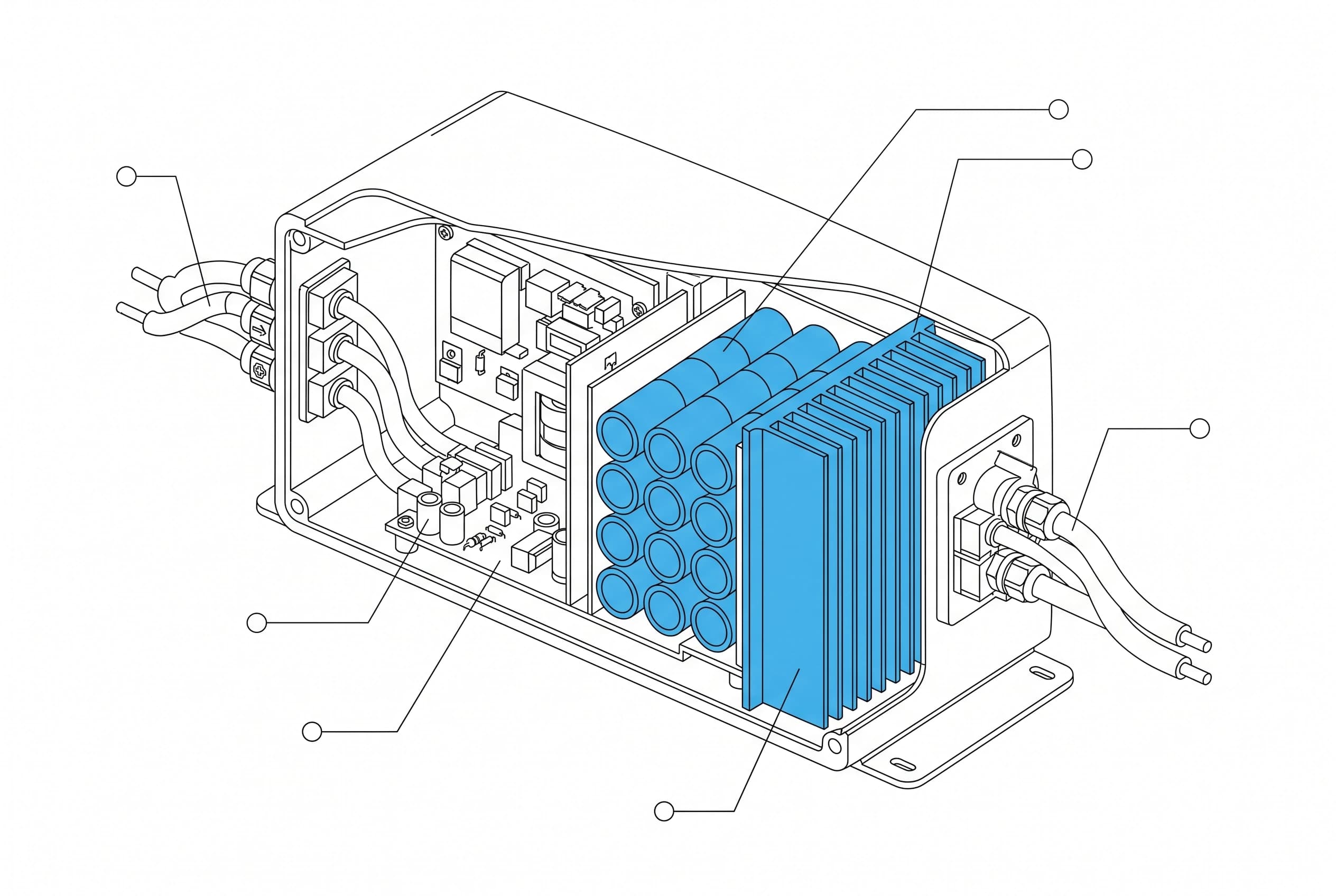
10 to 15 yrs
The point in a system's life at which an inverter typically needs replacing. It is the most common real photovoltaic loss, and the one a fire-and-perils policy cannot reach.
25 yrs
The typical warranted life of a module, and the length of the output warranty owners keep mistaking for insurance.
Jan 2026
New photovoltaic installations moved onto net billing. Net metering closed to new entrants on 31 December 2025.
Worth knowing what you are comparing against. No page on either captured Cyprus search result set carries equipment breakdown cover, and the only output cover offered there is a fixed daily allowance rather than a measured indemnity. A flat daily figure is simple. It is also unrelated to what your array was producing.
What a generation loss is worth, by grid scheme
Net metering
Status for a new system · Closed to new entrants on 31 December 2025
What a lost unit is worth · The retail cost you avoided by offsetting your own consumption
What that does to the indemnity · Built on avoided cost, because there is no cash revenue stream to indemnify
Net billing
Status for a new system · The route for new installations from January 2026
What a lost unit is worth · Self-consumed units at avoided retail cost, exported units at the wholesale rate
What that does to the indemnity · A split basis, and the exported share is worth materially less
Self-consumption or autoproducer
Status for a new system · The commercial and industrial rooftop case
What a lost unit is worth · Avoided retail cost across the whole output
What that does to the indemnity · The cleanest indemnity basis of the four
PPA or competitive market
Status for a new system · Negotiated per project
What a lost unit is worth · The contracted price
What that does to the indemnity · Lender-driven. Lenders typically ask for loss-payee wording
A battery changes the arithmetic. It raises the share of output you consume yourself, and self-consumed units carry the higher avoided-retail value, so storage lifts the indemnifiable portion of a generation loss as well as the yield.
Then elect an indemnity period you can defend. It is the maximum time the policy keeps paying while the array is down, and on photovoltaics the constraint is rarely the repair itself. It is the lead time on a replacement inverter or transformer, and the grid re-connection after it.
Loss of generation is the photovoltaic form of business interruption insurance. If the array powers a production line, the two need writing to line up on the same indemnity period.
Ask about equipment breakdown and loss of generationCurtailment
Curtailment, net billing and the limits of insurance
The section above was about damage that a policy pays for. This one is about a revenue loss that no policy reaches, and it is the largest single cause of lost solar revenue in Cyprus right now. The grid refuses output it cannot absorb, the meter records nothing, and nothing is damaged. Owners should know this before they buy, not after a claim.
162 GWh
of renewable output curtailed between January and May 2026, reported by pv magazine on 15 June 2026.
Over 65%
of the solar generation available in those five months, refused by the grid, and now reaching residential systems rather than only utility plant.
47%
curtailed across 2025, up from around 12% in 2022, and none of it compensated. The Transmission System Operator publishes the dispatch data behind these figures.
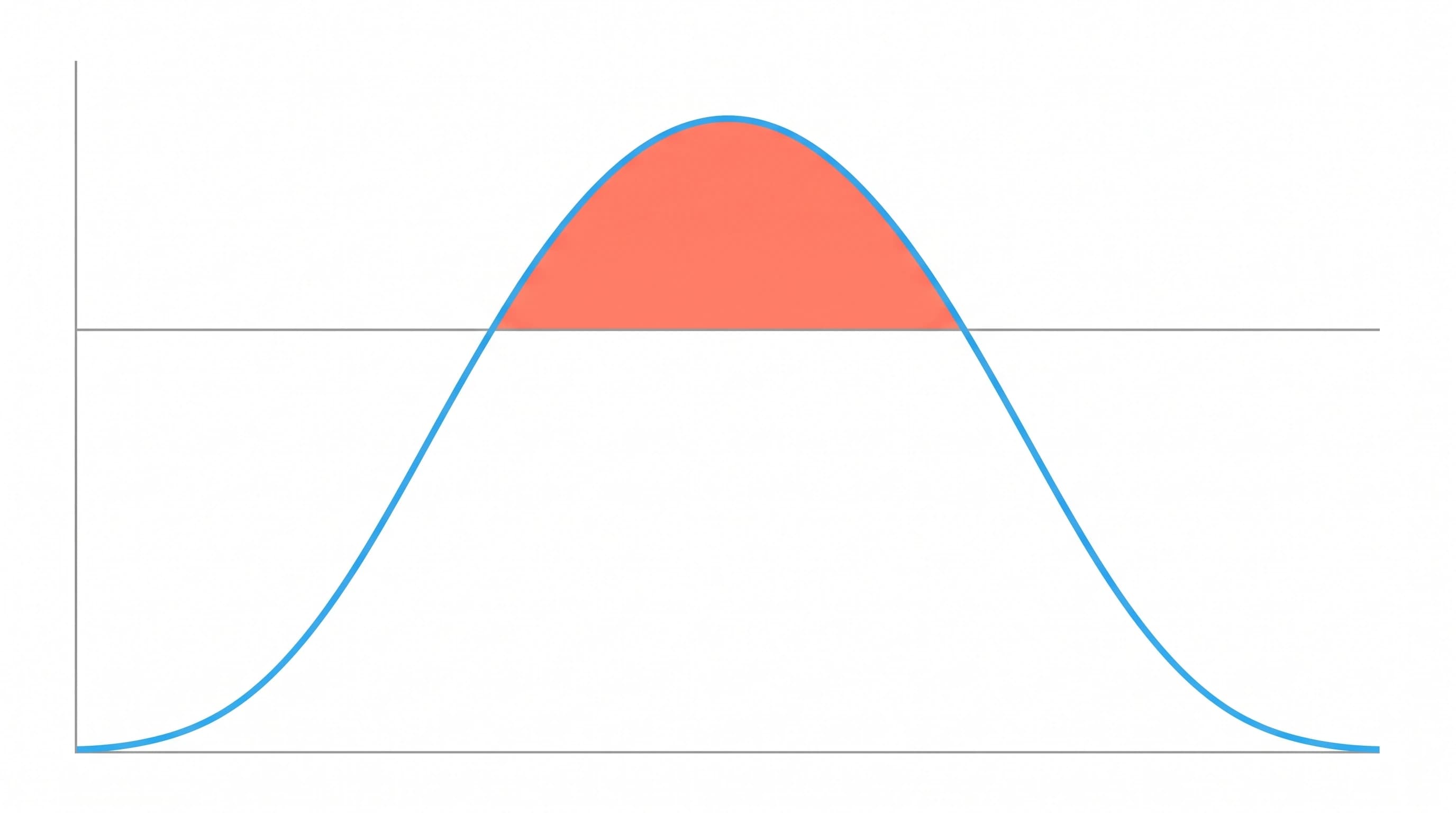
Curtailment is not an insured peril. Loss of generation responds to physical damage to the system. Curtailment produces a revenue loss with no damage at all, so there is nothing for the policy to trigger on. Any adviser who tells you a policy covers curtailed output has misread the trigger.
There is a second uninsurable loss in the same contract. Under clause 12.3 of the net-metering agreement, unused electricity credits are deleted without compensation when the contract is terminated, expires unrenewed, or you change supplier. That is a contractual loss rather than damage, so there is nothing for a property or pecuniary cover to attach to.
What works against curtailment is engineering, not insurance. Battery storage lets you hold midday output and use it in the evening peak, which is why battery-paired sites are suddenly the live insurance question. Storage brings its own exposure, thermal runaway included, and that is where this page picks the subject back up.
Primary sources for the legal and market statements on this page
Installation phase
Insuring the installation phase
Before the system is commissioned, the operational policy is the wrong instrument. Modules get dropped, racking gets blown off a roof, a crate goes missing between the port and the site, and none of that is a claim on a policy that has not incepted yet.
Procurement
Modules, inverters and racking are bought and paid for long before they generate anything. The exposure starts at the supplier's door, not at yours.
Transit to site
Sea freight, port handling and the final road leg. Damage on the way is a transit claim, and it needs a transit policy to land on.
Erection
Contractors All Risks or Erection All Risks covers the works themselves, plus liability to third parties while the site is live.
Commissioning
Testing and grid connection. Delay in Start-Up sits here on lender-driven projects, where a late start costs contracted revenue.
Operational cover
The array is signed off and the operational policy takes over. Make sure the two dates meet, with no gap between them.
The policies that carry the build
Contractors All Risks for the works on site
Erection All Risks for the mechanical and electrical installation
Delay in Start-Up, on projects with a lender and a contracted start date
Transit cover for modules and inverters on their way to site
Agree who carries what, in writing, before the first delivery. On most Cyprus jobs the EPC contractor insures the works and the owner insures the finished asset. The handover date is where the arguments start.
Clause 14.3 of the net-metering agreement matters here too. It makes you, the owner, answerable to the grid for damage caused by your own contractor or consultant. Your installer's cover is therefore your commercial concern, not only theirs.
The build phase has its own policies: contractors all risk insurance for the works, and goods in transit insurance or marine cargo insurance for the modules and inverters on their way to site.
And the one statutory duty on a solar job stays where it has always been. Law 174(I)/1989 requires the installing contractor to hold employers' liability insurance for everyone on the roof.
Building it now? Ask about the project coverWhat it costs
What photovoltaic insurance costs in Cyprus, and how the premium is set
Cover is quoted individually. No insurer that surfaces on the Cyprus search results for this product publishes a premium, and we are not going to invent one. What we can do is tell you what the number is built from, and clear up the confusion running through every cost search on this subject.
Search for what photovoltaic insurance costs in Cyprus and you get the cost of the panels. Those are two different numbers. Installation cost is what you pay a contractor to build the system. It is also the sum insured, which is the base the premium is rated on. It is not the premium.
Installation cost, not insurance premium
3 kW
Installed cost · €4,000 to €6,000
Typical buyer · Apartments and small houses
5 kW
Installed cost · €6,500 to €9,000
Typical buyer · The average family house, around €7,500
8 kW
Installed cost · €10,000 to €14,000
Typical buyer · Large villas, often with EV charging
Home battery
Installed cost · Add €4,000 to €8,000
Typical buyer · On top of the array, whatever its size
Read that table as the sum insured, not as a price list for cover. Those are residential figures. A commercial rooftop or a ground-mount park costs less per kWp at scale, so never scale them upward.
The government's household scheme gives a second cost reference, and the arithmetic is worth showing. In the pre-financed category the grant is €125 per installed kW and the repayable investment is capped at €1,125 per installed kW. Together those put a residential rooftop at roughly €1,250 per kWp of installed cost. It is a cost basis, scheme-capped and residential, and it says nothing at all about a premium.
What a photovoltaic quote is actually built from
Installed cost, which is the sum insured and the base the rate applies to
System size in kWp and the number of modules
Rooftop, ground-mount or carport
Roof type, age and construction, and how the racking is fixed to it
Whether a battery is present, what chemistry it uses and where it sits
One site, or a portfolio of them
Which grid scheme the array runs on, because that decides whether a generation loss has a cash basis at all
The indemnity period you elect for loss of generation
The third-party liability limit you elect, because nothing sets it for you
The excess you accept, which is often set per peril rather than once for the whole policy
Site security: fencing, CCTV and controls against cable theft
The O&M contract, and whether a maintenance regime is evidenced
The commissioning date and the warranty documentation
Claims history
Ask what the excess looks like before you compare two quotes on premium alone. Photovoltaic policies commonly set it per peril, so theft of cabling, storm damage and an inverter breakdown can each carry their own, and a breakdown excess is sometimes expressed against the repair cost rather than as a flat sum. A lower premium with a heavier excess on the peril you are most likely to claim on is not the cheaper policy.
More Cyprus photovoltaic claims are decided by underinsurance than by any peril. Declare the installed cost short and an average clause reduces the payout in the same proportion. Declare it at 70 per cent of the real figure and a partial loss settles at 70 per cent. That is the honest substitute for a price on this page: get the sum insured right and the rest is arithmetic.
Get a quote
Get a photovoltaic insurance quote
We take the sum insured and the grid scheme first, because those two decide the indemnity basis before any peril list matters. Everything else is detail we work through with you.
Tell us about the array
Installed cost, size in kWp, rooftop or ground-mount or carport, which grid scheme it runs on and whether there is a battery.
We approach the market
We put the risk to the insurers who write photovoltaic and engineering business for Cyprus, from the 10+ insurers we compare.
You get it in writing
A written comparison of sum insured, liability limit, indemnity period, breakdown cover and exclusions, so you can see what you are buying.
Have this ready and the quote comes back faster: the installed cost, the size in kWp, whether the array is rooftop, ground-mount or a carport, the grid scheme, whether a battery is fitted, the commissioning date, your O&M contract and your claims history.
A written comparison usually comes back within two working days. If a lender, a landlord or a contract signature is waiting on it, tell us the date and we will work to it.
Tell us about the installation
Ten fields, and the last one is optional. We come back with a comparison across the insurers who write photovoltaic risks for Cyprus.
DigiCare Insurance is a licensed Cyprus insurance agency, ICCS licence 2451, with 15+ years in Cyprus since 2009 and 5.0 on Google. We compare 10+ insurers and work in English, Greek and Russian, from Paphos, Limassol and Nicosia.
This cover sits inside business insurance in Cyprus. Most owners hold it alongside commercial property insurance and fire insurance.
Primary sources for the legal and market statements on this page
- EAC Net Metering Scheme: published agreement templates, technical guide and connection procedure
- EAC Net Metering Technical Guide, Annex 1 to agreement Σ.Μ.10
- Regulation of the Electricity Market Law 130(I)/2021, consolidated Greek text (cylaw.org)
- Renewable Energy Sources Law 107(I)/2022, consolidated Greek text (cylaw.org)
- Employers' Liability (Compulsory Insurance) Law 174(I)/1989, consolidated Greek text (cylaw.org)
- Cyprus Energy Regulatory Authority (CERA), the licensing and exempting authority for electricity generation
- RES and Energy Saving Fund: household grant scheme for renewables and energy saving 2024-25
- Directive (EU) 2019/944 on common rules for the internal market for electricity (EUR-Lex)
- pv magazine, 15 June 2026: Cyprus curtails 65% of solar generation in January to May 2026
- pv magazine, 13 January 2026: Cyprus solar curtailment hits 47% in 2025
- Cyprus Mail, 19 March 2026: Why Cyprus wastes nearly half its solar energy, and what battery storage could fix
Costas Matheou — Licensed insurance agent, DigiCare Insurance, Paphos, Cyprus
Last reviewed: 31 July 2026
Licensed Cyprus insurance agency · ICCS licence 2451
We review this page when the Regulation of the Electricity Market Law 130(I)/2021 or the Renewable Energy Sources Law 107(I)/2022 is amended, when the EAC changes its net-metering or net-billing terms, and when new Cyprus curtailment figures are published.
FAQ
Photovoltaic insurance in Cyprus: common questions
Nobody caps your liability to the grid. You do.
Clause 14 of the EAC net-metering agreement sets no monetary limit on what you owe for damage your installation causes, and it keeps applying after the contract ends. Send us the installed cost and the grid scheme, and we will compare the cover across 10+ insurers.
Licensed Cyprus insurance agency, ICCS licence 2451 | 5.0 on Google